Explaining
So, it goes like this…
İ. Hüseyin Özdamar · April 22, 2026
Building FEASM is one thing. Explaining it is another. When you are inside the product, everything feels clear. The system works, the logic holds, the structure makes sense. But the moment you stand in front of a business, that clarity disappears. Because they are not looking at the product, they are looking for the outcome. The first question is always the same: what does this do for me?
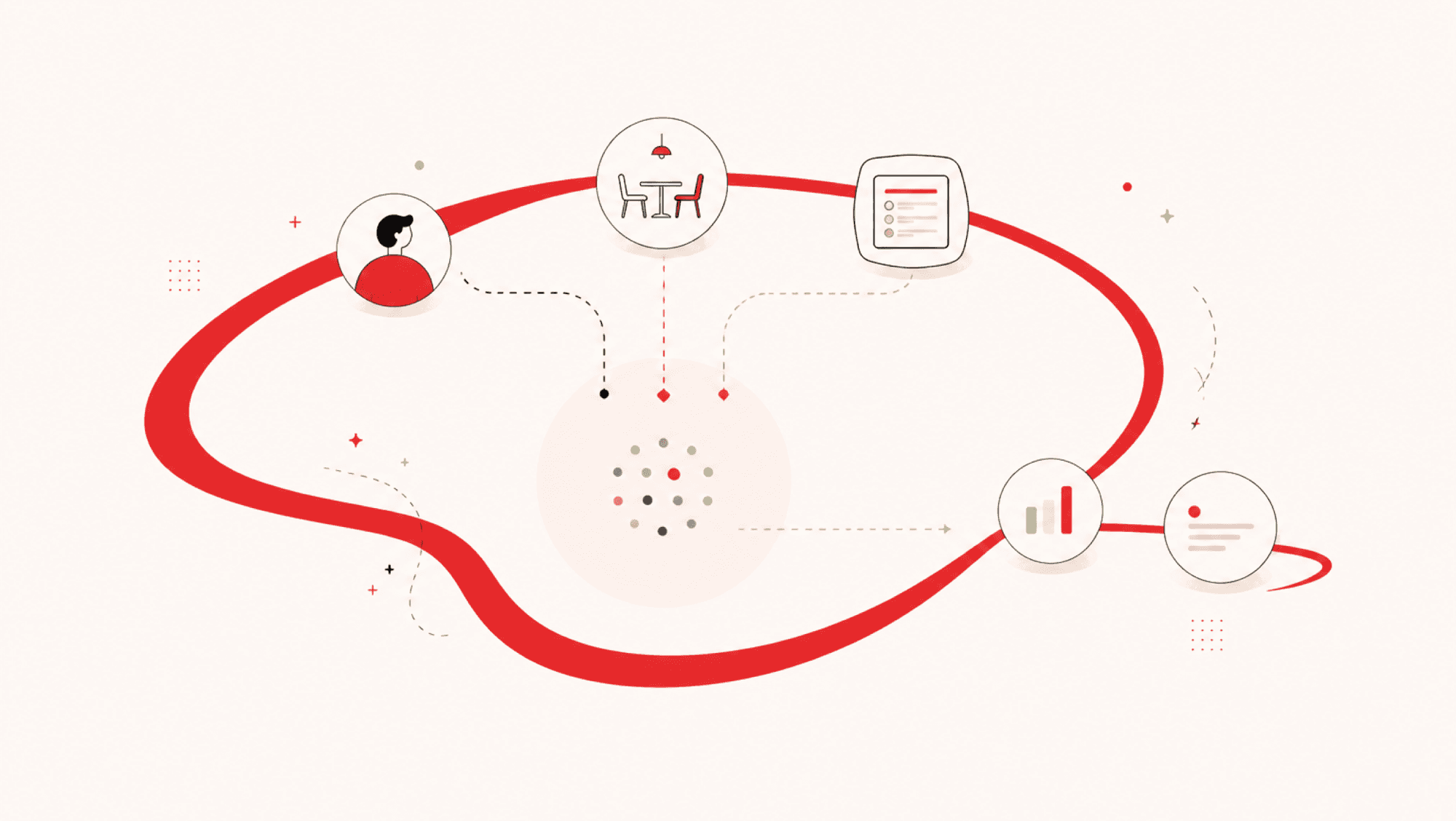
The problem is that the answer is not short. Because what is being explained is not a simple tool. It looks like a menu, but it is actually a system that collects behavior, generates data, and gains value over time. The other side, however, sees it as a QR menu at first glance. The conversation starts on the wrong ground. You try to explain the system, they ask if there are discounts. You talk about data, they want to know what they gain today.
This disconnect is not random. Businesses make decisions based on what they are used to. They expect quick results, clear benefits, and immediate returns. FEASM, on the other hand, is built to create value over time. When these two perspectives collide, communication becomes difficult. Going door to door, trying to explain the same thing in different ways, becomes exhausting. In some places it is not understood. In others, it is not taken seriously. Sometimes it is not even heard.
But this process is also instructive. It makes one thing very clear: the problem is not the product, it is the way it is explained. The system exists, but the structure to communicate it does not. So the solution is not to change the product, but to rebuild the narrative.
The first step is simplifying the language. Being able to clearly state what it does, what it does not do, and why it exists. The second step is bringing the benefit forward. Instead of explaining long term potential, showing what the business can see today becomes more critical. The third step is moving away from abstract explanations and using concrete examples. Saying "this will happen" is not enough. Being able to say "this already happened" builds trust.
At this point, the need for a structured explanation becomes obvious. A short presentation, a clear flow, and content that focuses directly on value. A business wants to understand before using anything. If it does not understand, it does not try. This makes communication part of the product itself.
The difficulty here is expected. The product is early, and the narrative is even earlier. Friction is inevitable. But that friction also gives direction. Every conversation, every objection, every moment of confusion makes the system clearer.
In the end, one thing becomes obvious: building a product is not enough. If you cannot explain it properly, you cannot grow it. That is why, for FEASM, explaining has become just as critical as building.